2026 Festival Archive: Volkenburg Puppetry Symposium
The Ellen Van Volkenburg Puppetry Symposium: Artist Panels + Book Talks
January 24-February 1, 2026
Fine Arts Building Little Studio
Presented by the Chicago International Puppet Theater Festival
Scholarship and Resources
None available at this time
Festival Events
About the Symposium
January 24 – February 1, 2026
Fine Arts Building Little Studio | 7th Floor, 410 S. Michigan Ave.
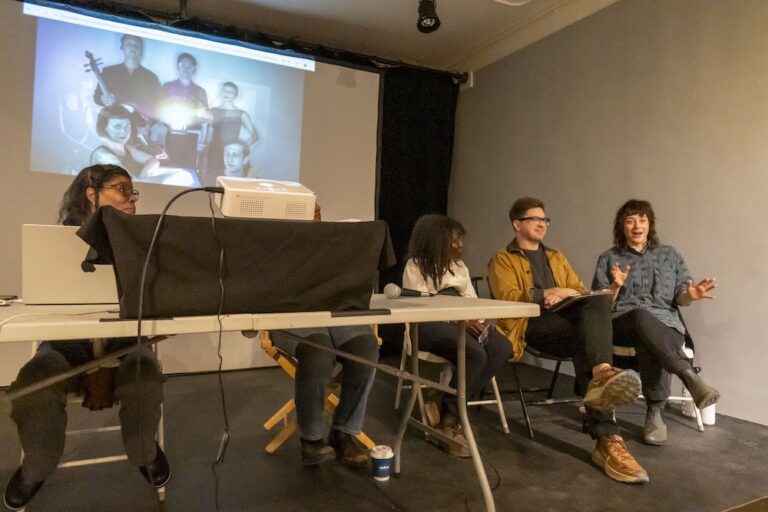
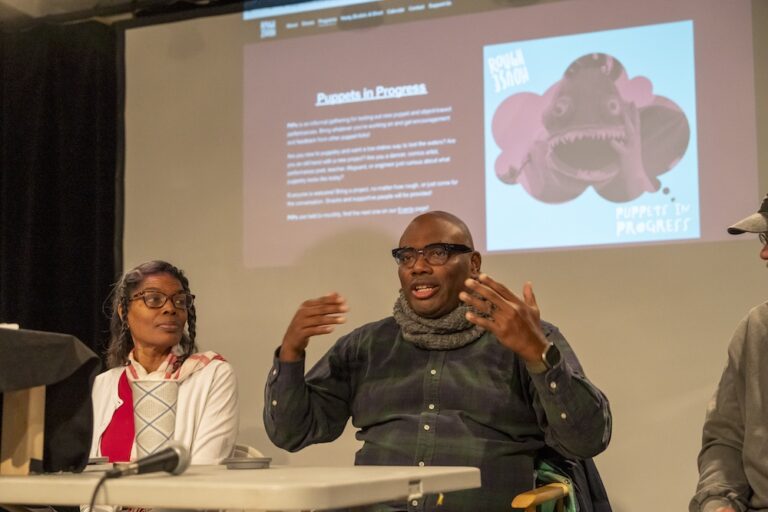
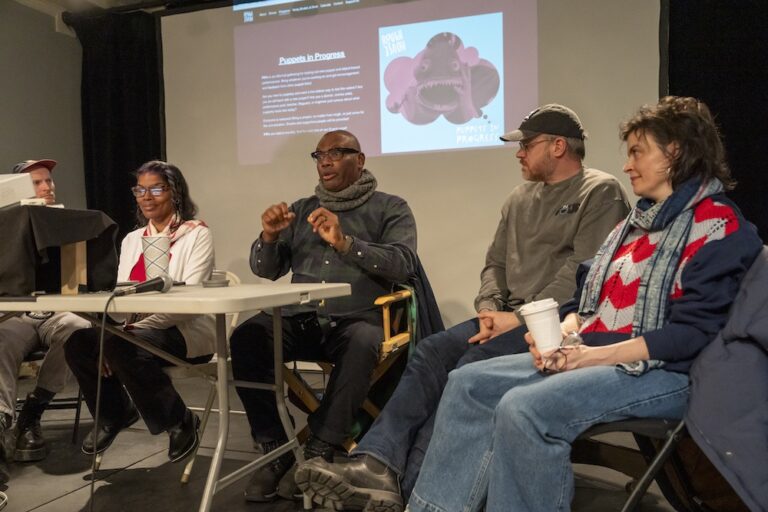
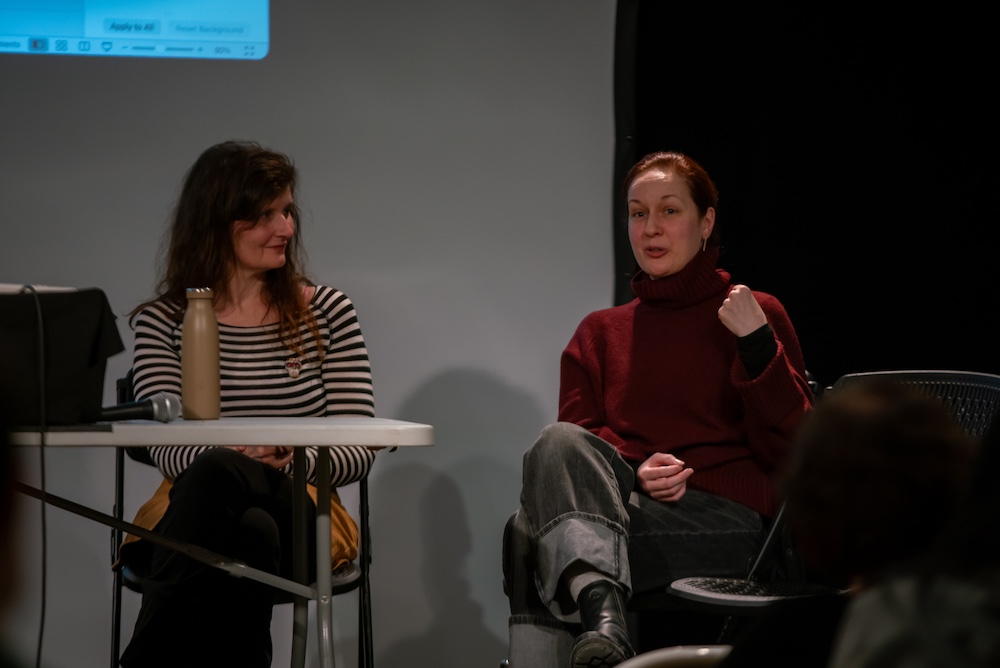
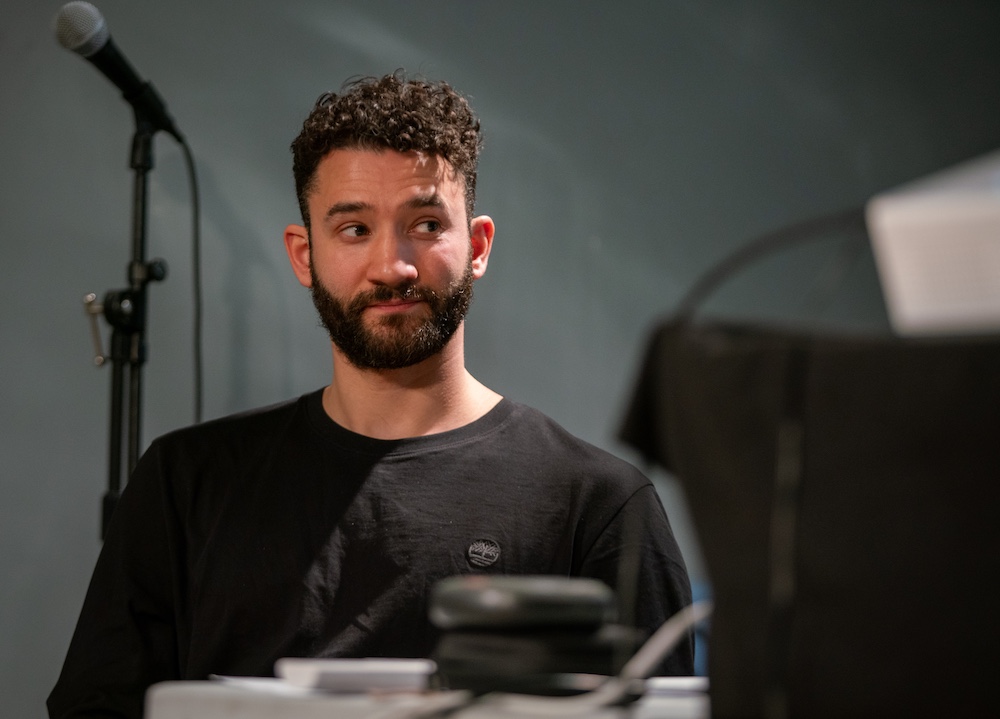
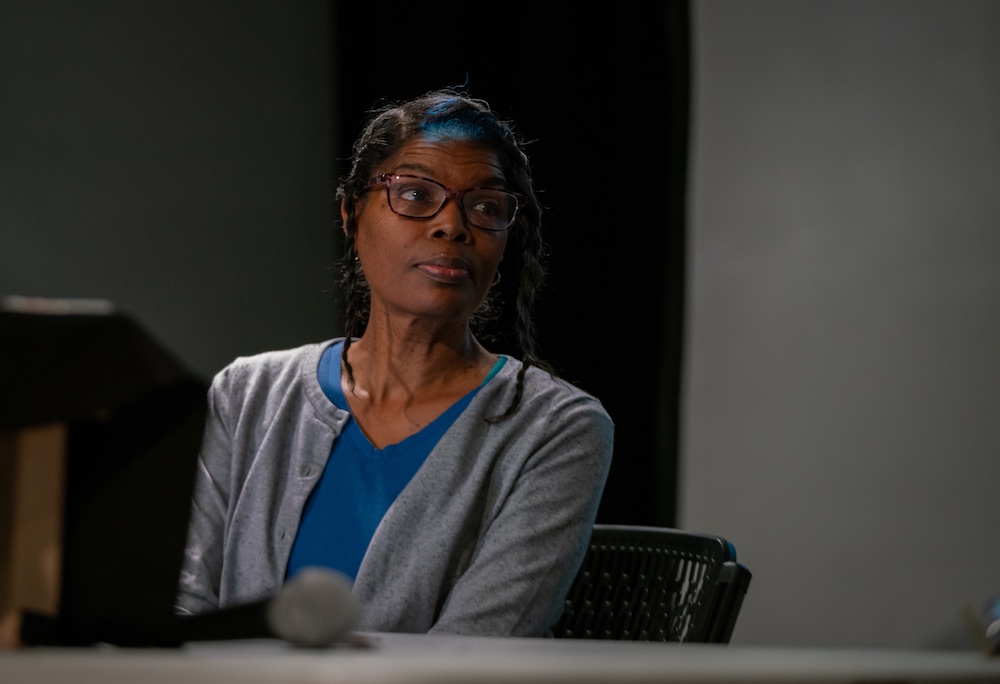
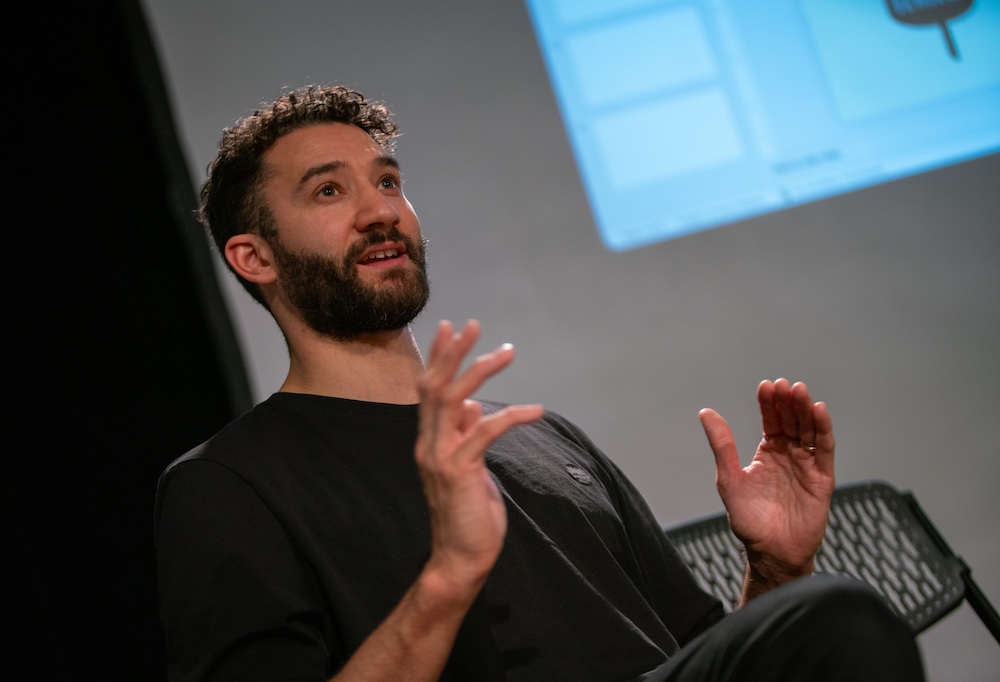
The Ellen Van Volkenburg Puppetry Symposium brings together practicing Festival artists with scholars to consider the intersection of puppetry with other disciplines and ideas. Before 1912, the year the Little Theater of Chicago was founded in the historic Fine Arts Building, the term “puppeteer” did not even exist. Little Theater director Ellen Van Volkenburg needed a program credit for the actors she had trained to manipulate marionettes while speaking the text of Shakespeare’s A Midsummer Night’s Dream, and she coined the word “puppeteer.” That marked the dawn of the movement that has brought us to the rich art form now practiced around the world.
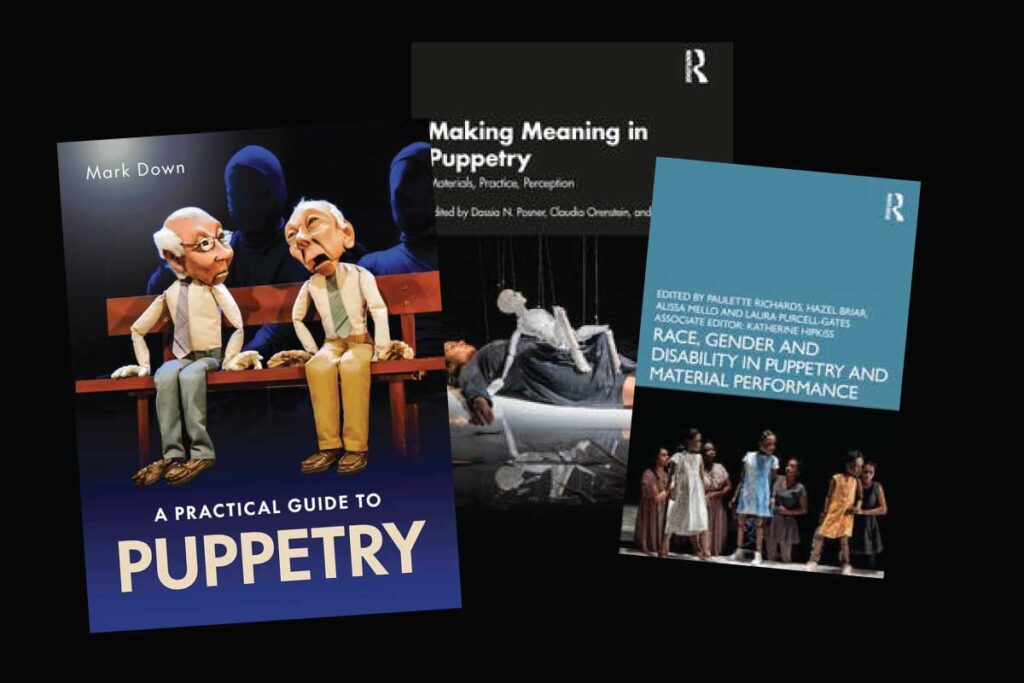
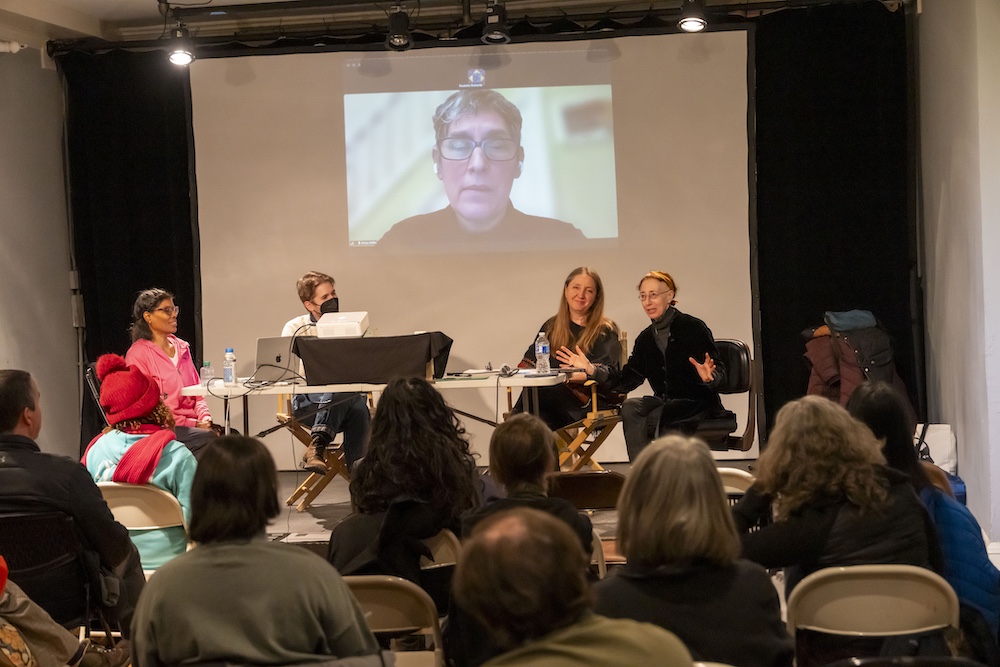
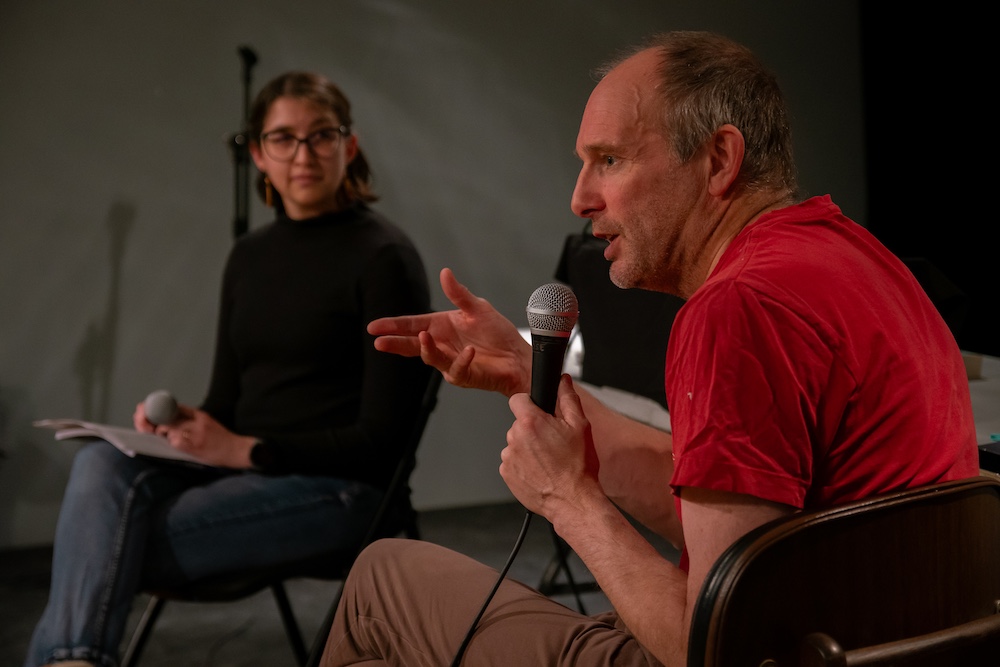
The 2026 educational programming also included a free Book Talk Series presenting three moderated discussions with leading national puppet scholars, discussing books and topics including race, gender and disability in puppetry.
Artist Panels
Saturday, January 24, 2026
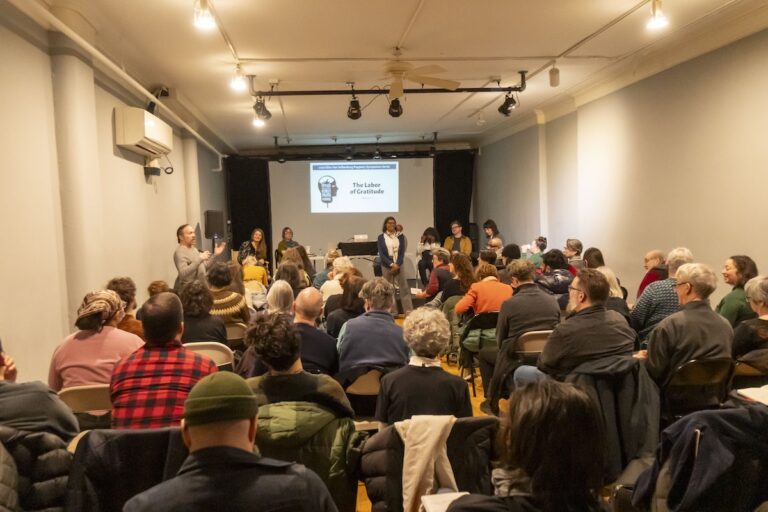
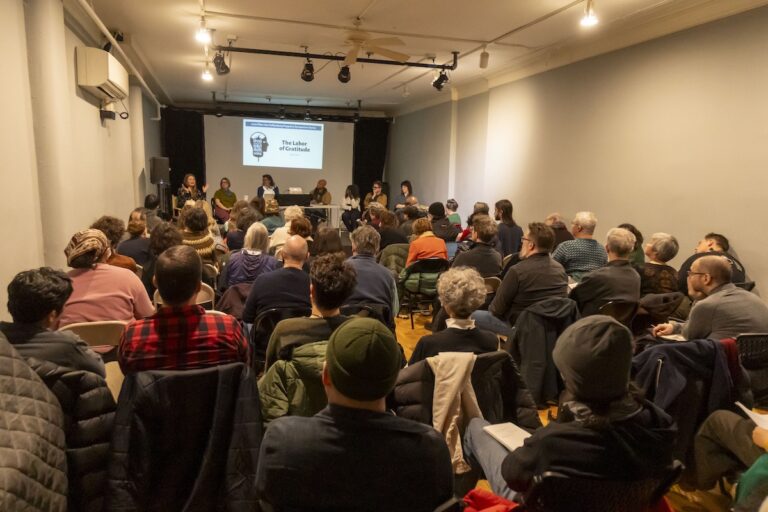
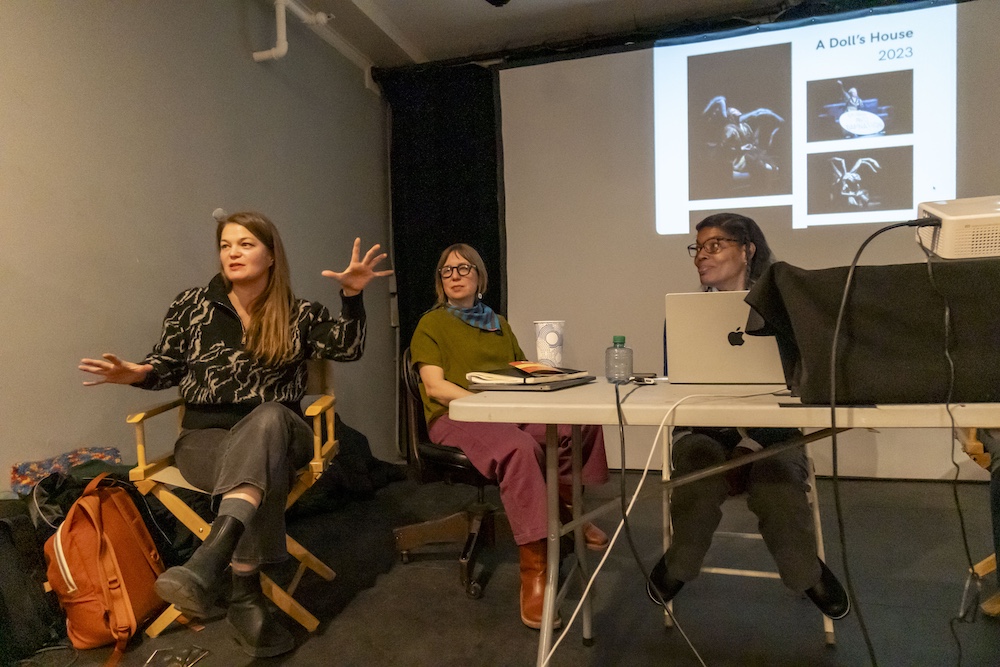
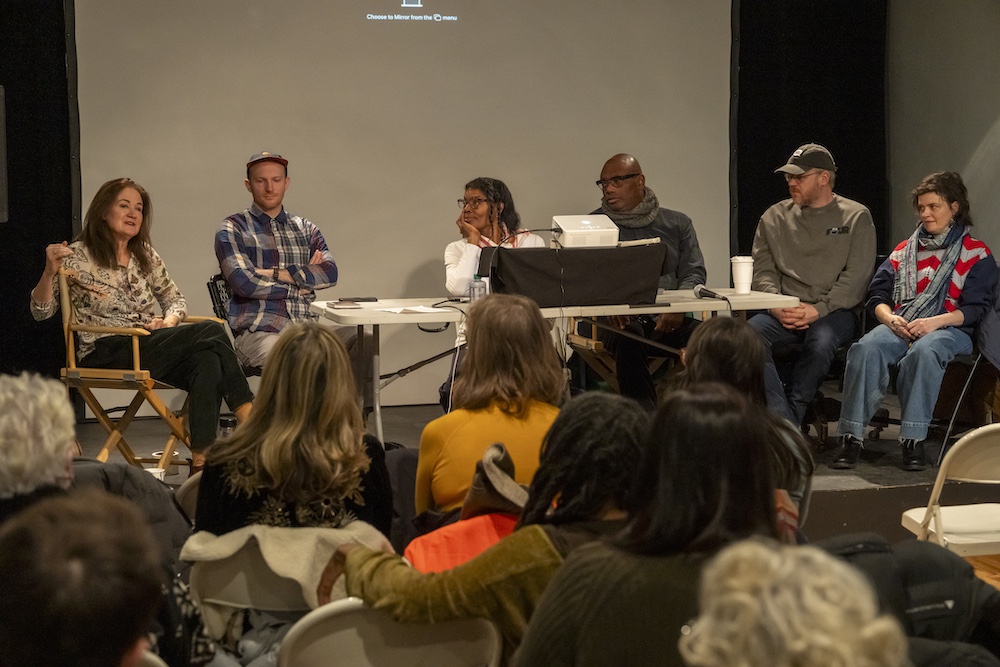
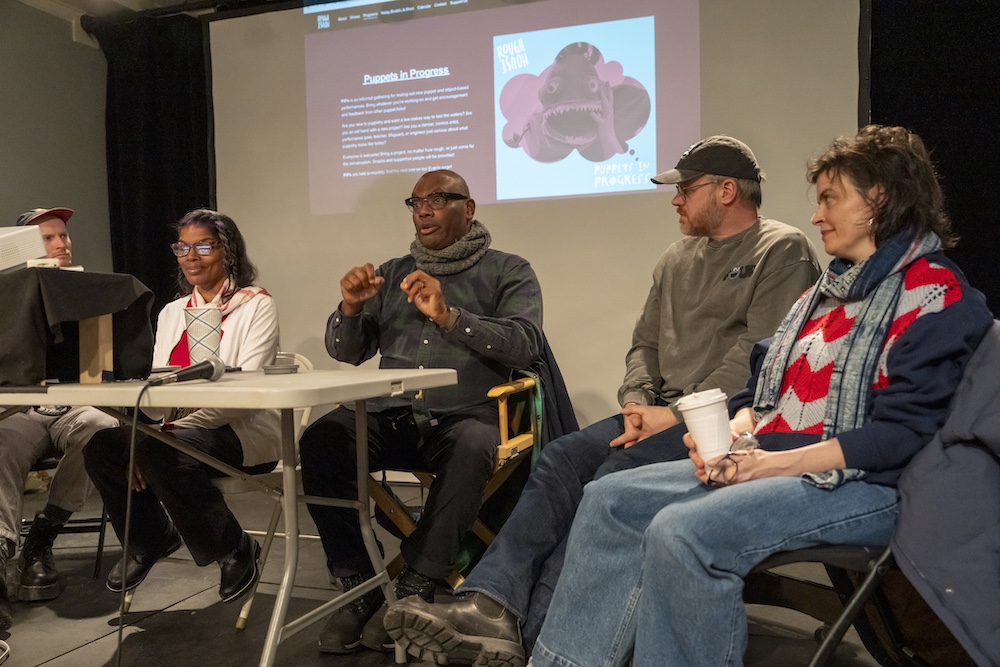
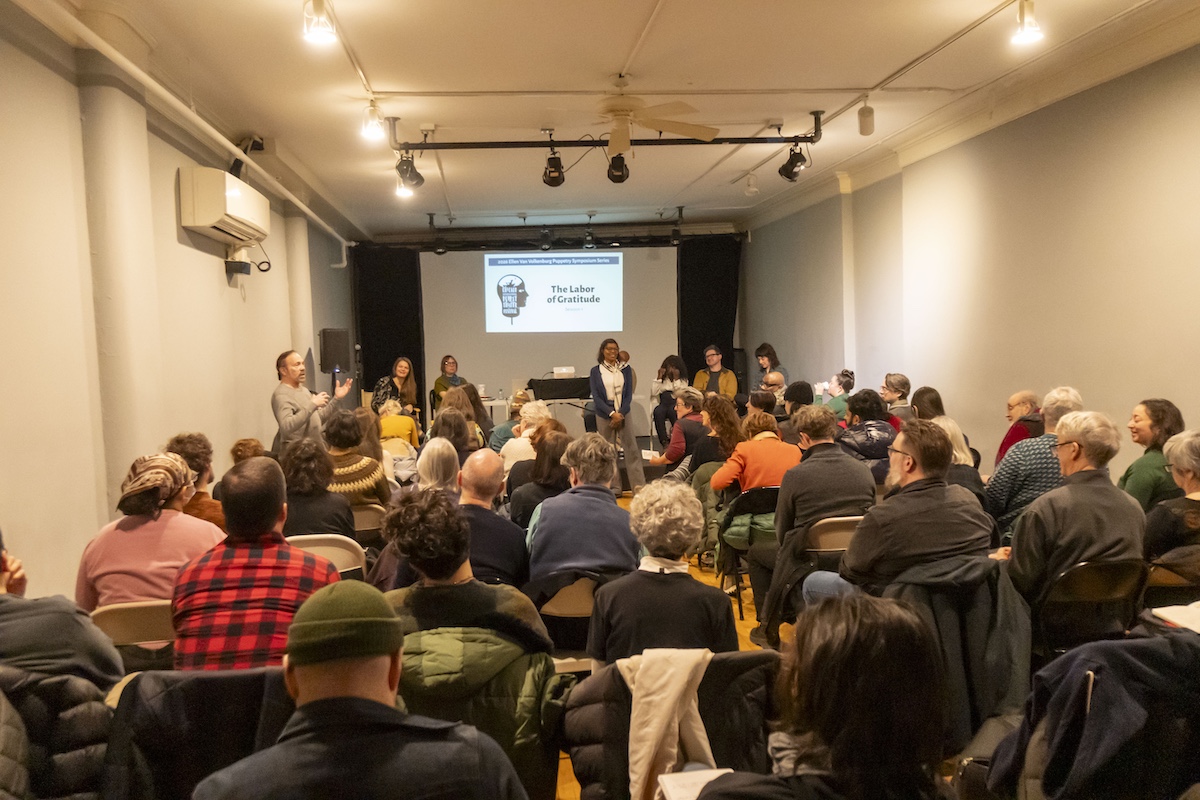
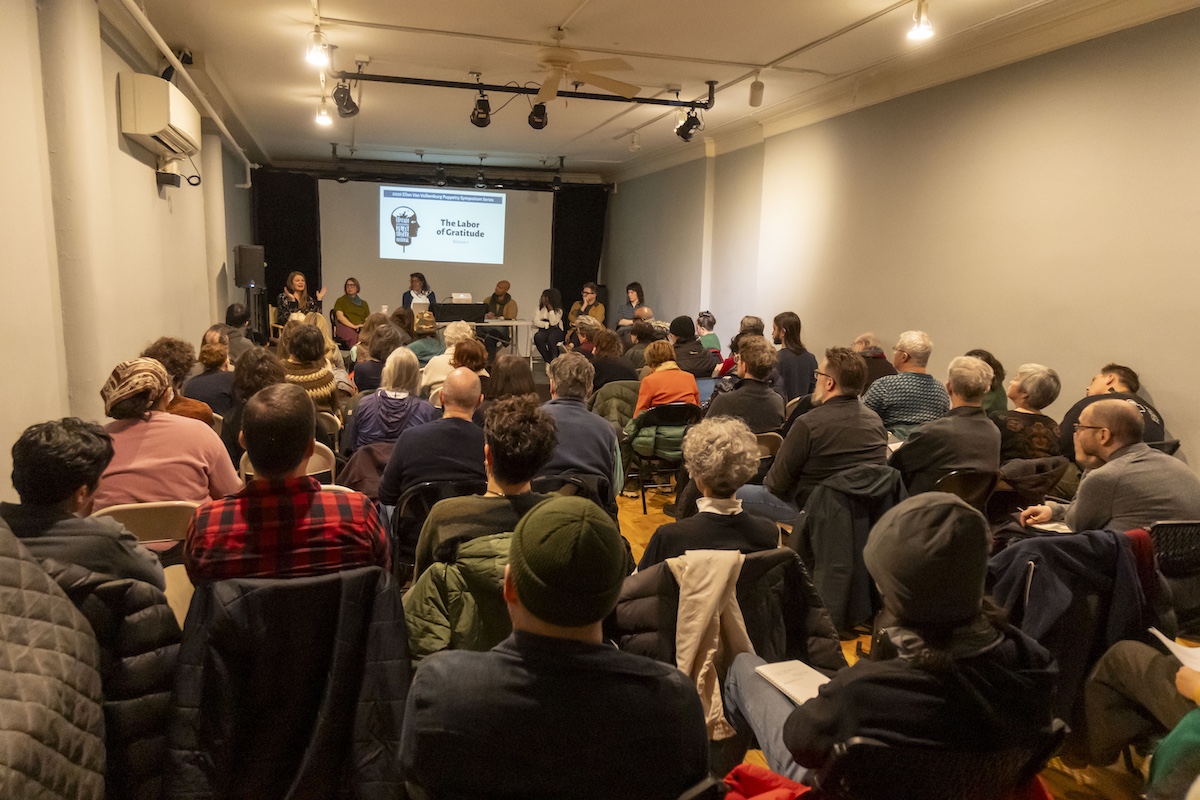
Session 1: The Labor of Gratitude
In The Gift: Creativity and the Artist in the Modern World, Lewis Hyde posits that the creativity of the artist is a gift that comes from a source outside the artist’s control. Artists labor in gratitude for many years to fully realize the power of their gifts and finally claim them only in sharing them with other people. Thus, they function most productively within networks of exchange that anthropologists have described as “the gift economy.” Yet, in our modern society, artists struggle to provide for their material needs while undertaking the labor of gratitude necessary to develop their talent. Additionally, they struggle to reconcile themselves with the mindset of the market economy that insists on valuing their output only as commodities rather than in terms of the relationships the gift exchange nurtures. This panel will invite the participants to trace the labors of gratitude they have undertaken in their artistic development and the path they have navigated through the demands of the market.
Moderator:
Paulette Richards
Panelists:
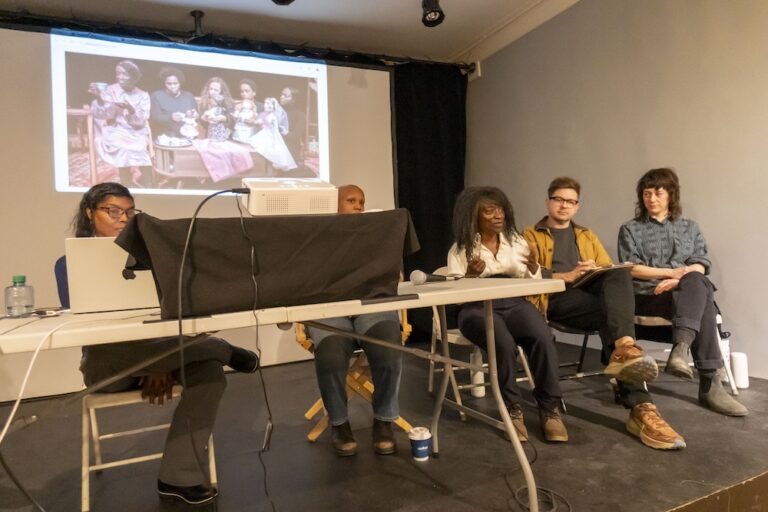
Drew Dir and Julia Miller (The 4th Witch)
Ash Winkfield and Alva Rogers (Harlem Doll Palace)
Laura Heit (The Matchbox Shows)


Sunday, January 25, 2026
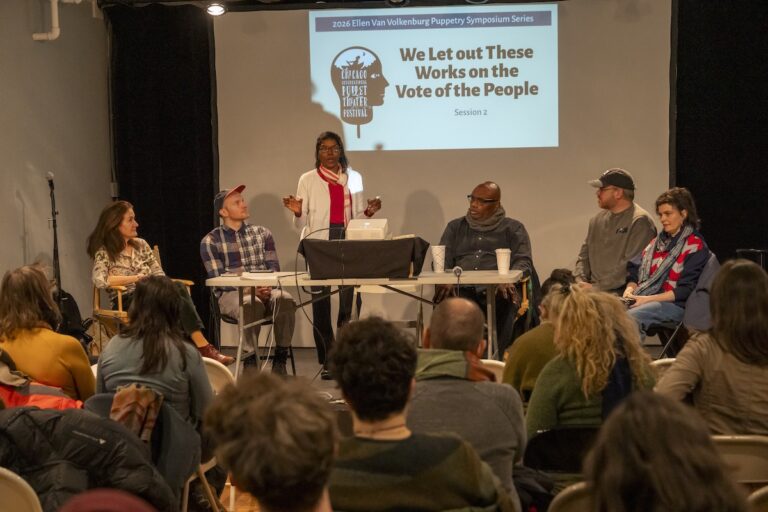
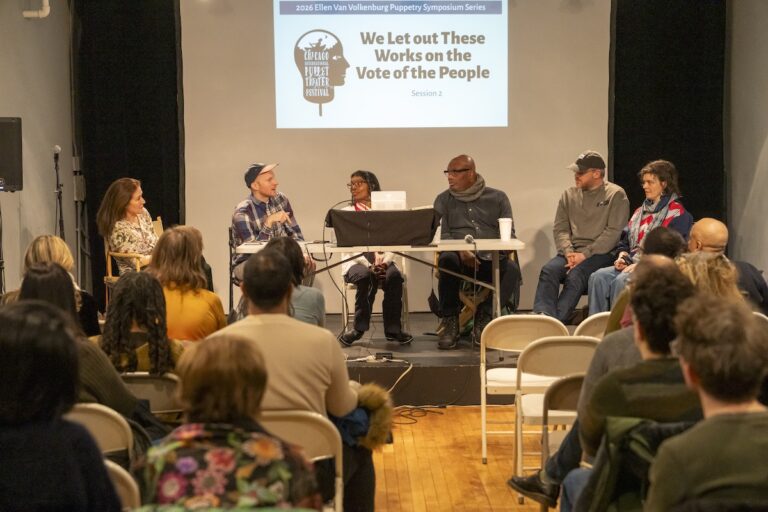
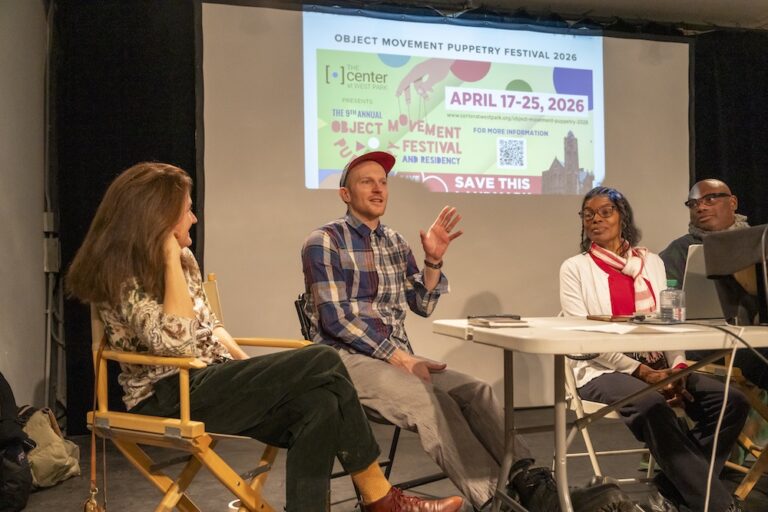
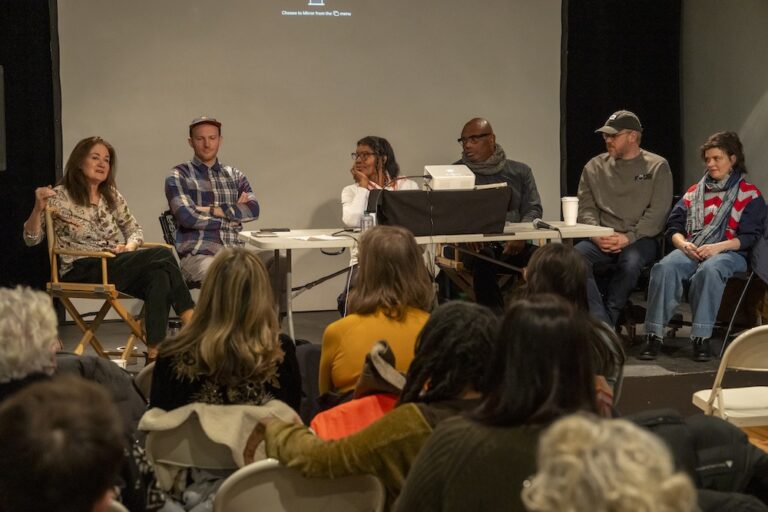
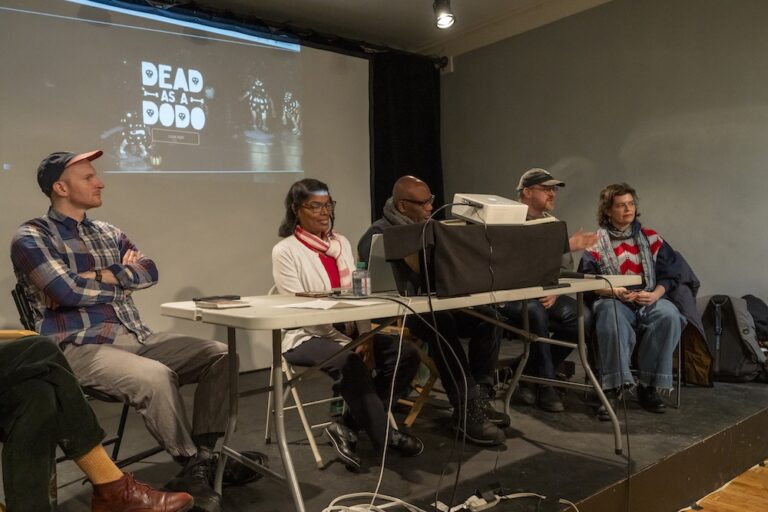
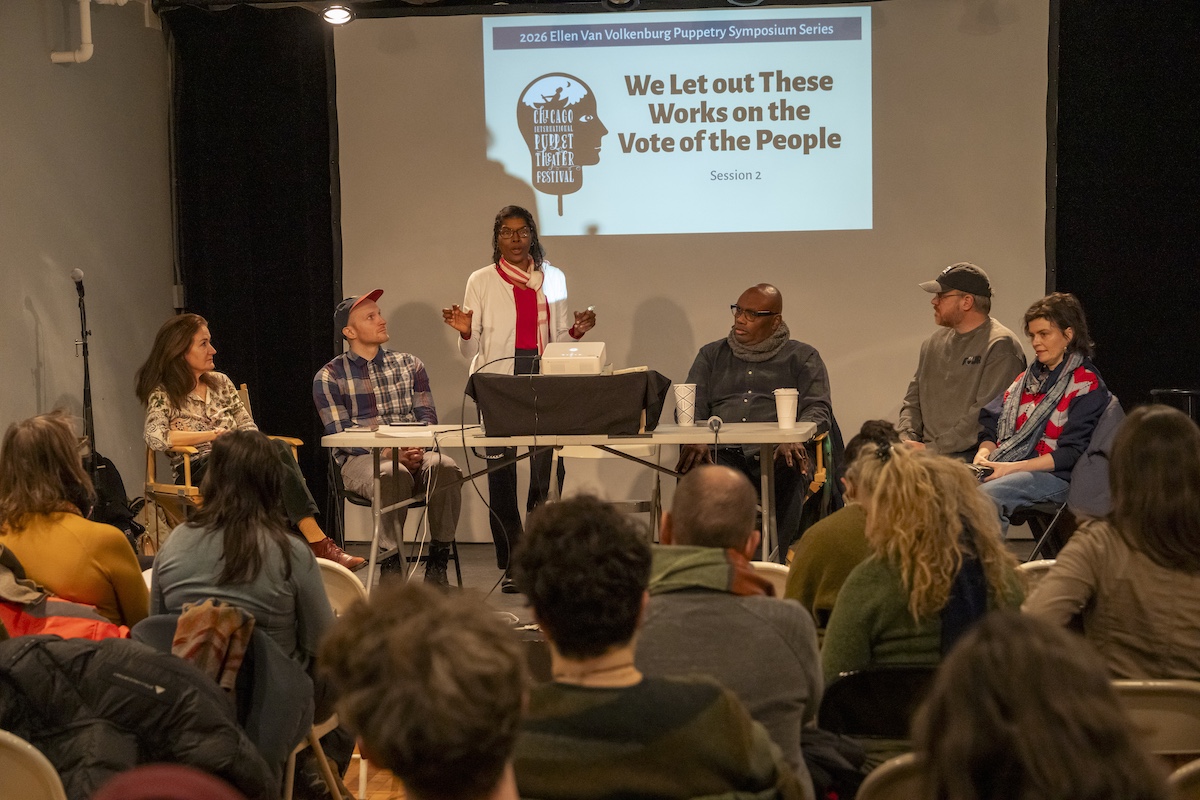
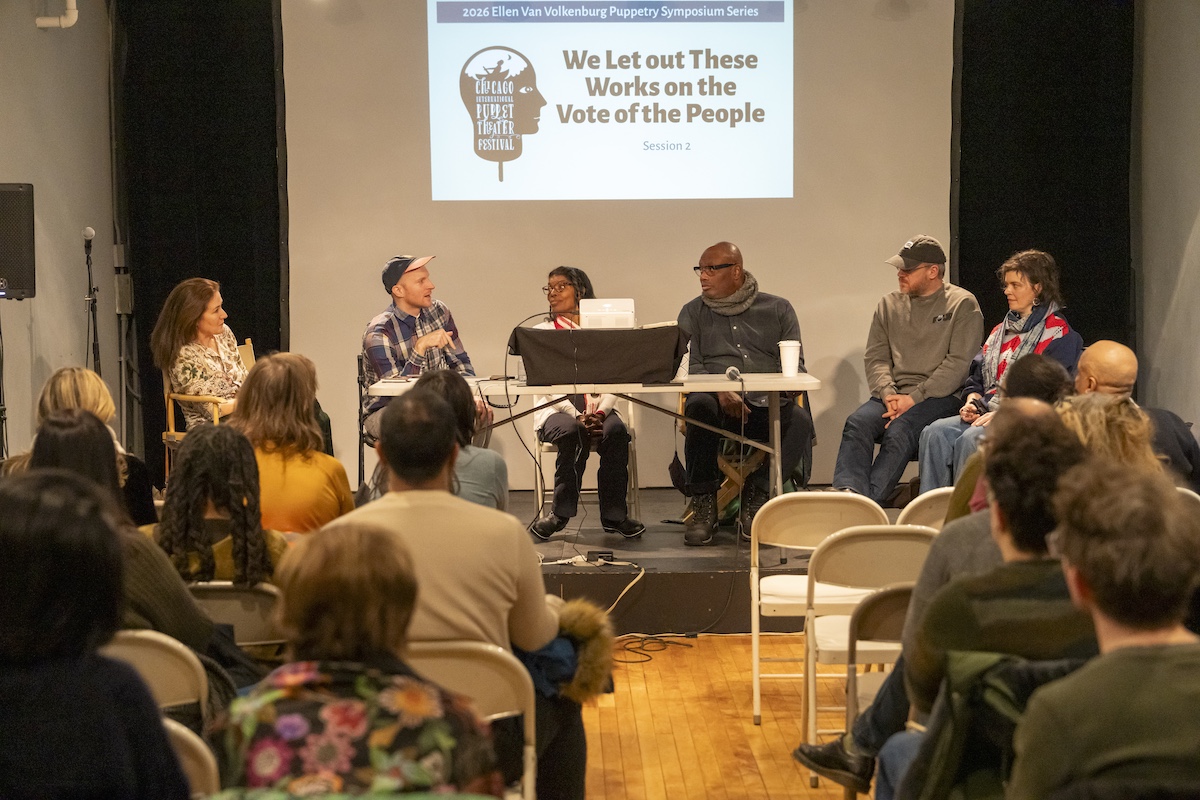
Session 2: We Let Out These Works on the Vote of the People
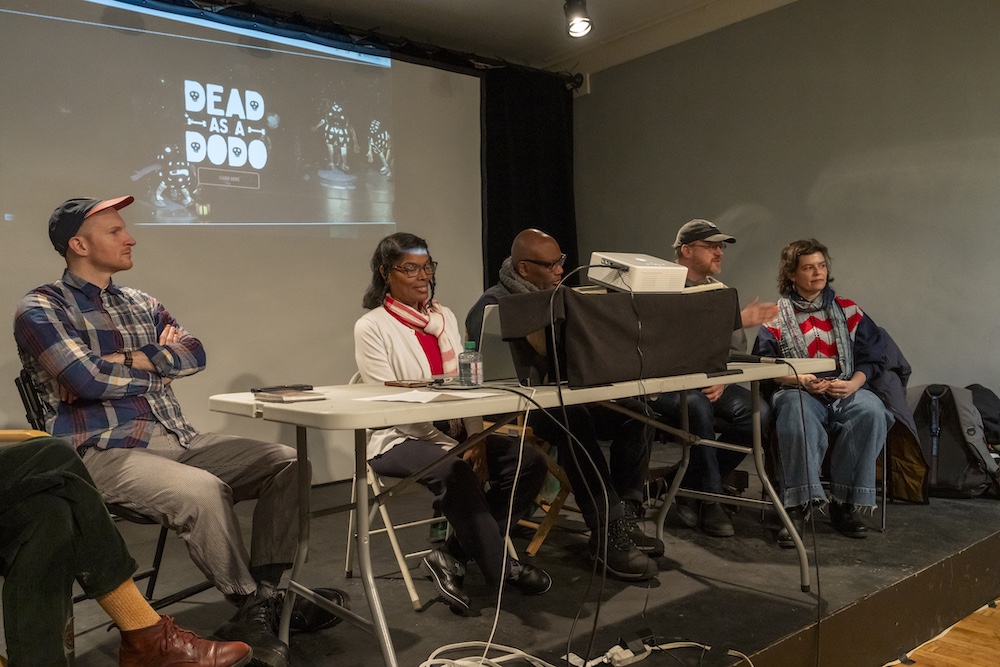
Launched in 1935, the Federal Theater Project was a New Deal program designed to create employment for theater artists thrown out of work during the Great Depression. It is one of the rare instances in American history when artists were recognized as skilled professionals and encouraged to fulfill their artistic calling instead of being pressured to take whatever work was available to make ends meet. As a result, puppet luminaries like Remo Bufano, Ralph Chessé, Tony Sarg, and Bill Baird were able to deepen their craft instead of switching to other occupations. Yet racially integrated Federal Theater Project productions sparked controversy and some “Living Newspaper” shows struck members of the House Committee on Un-American Activities as left-wing propaganda. Congress therefore cancelled the program’s funding in 1939. This panel will explore the benefits and tradeoffs involved in creating puppet theater with public funding.
Moderator:
Dr. Paulette Richards
Panelists:
KT Shivak (Rhynoceron)
Gwen Warnock and Kirjan Waage (Dead As A Dodo)
Mark Down (The Sex Lives of Puppets
Saturday, January 31, 2026
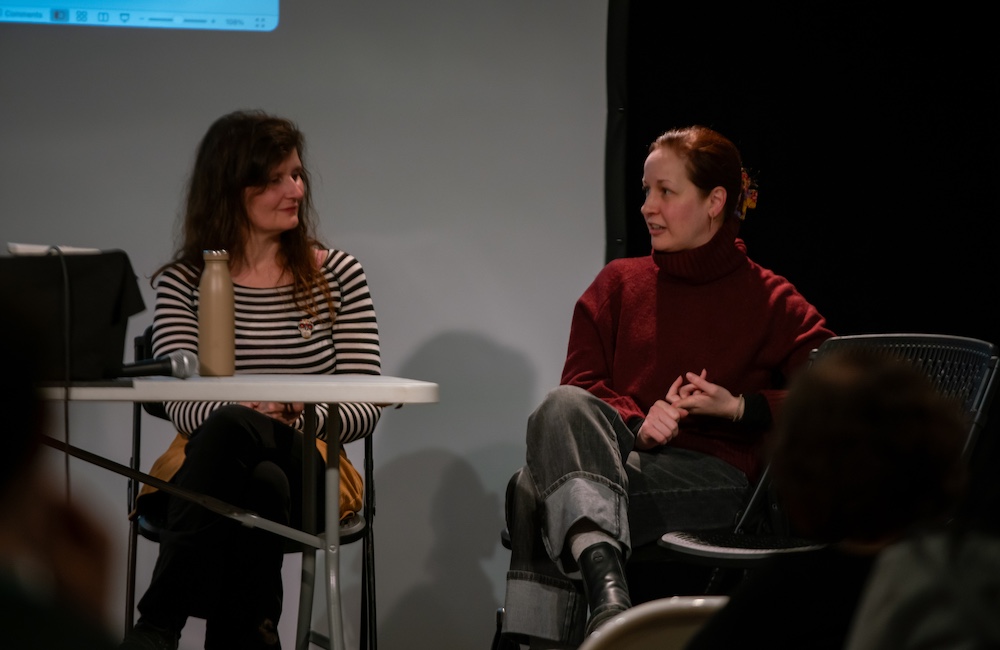
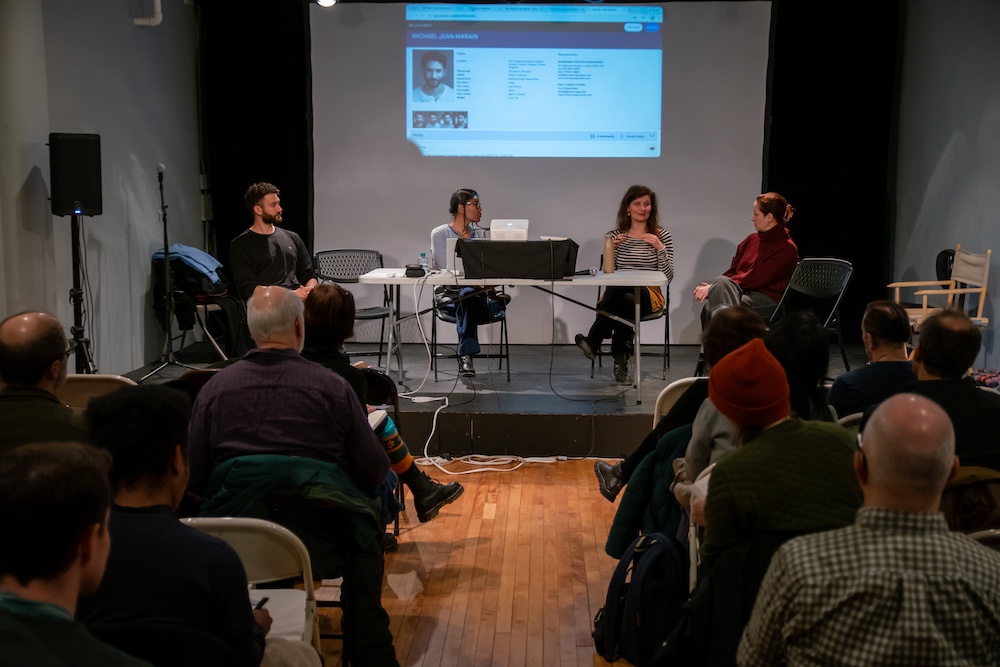
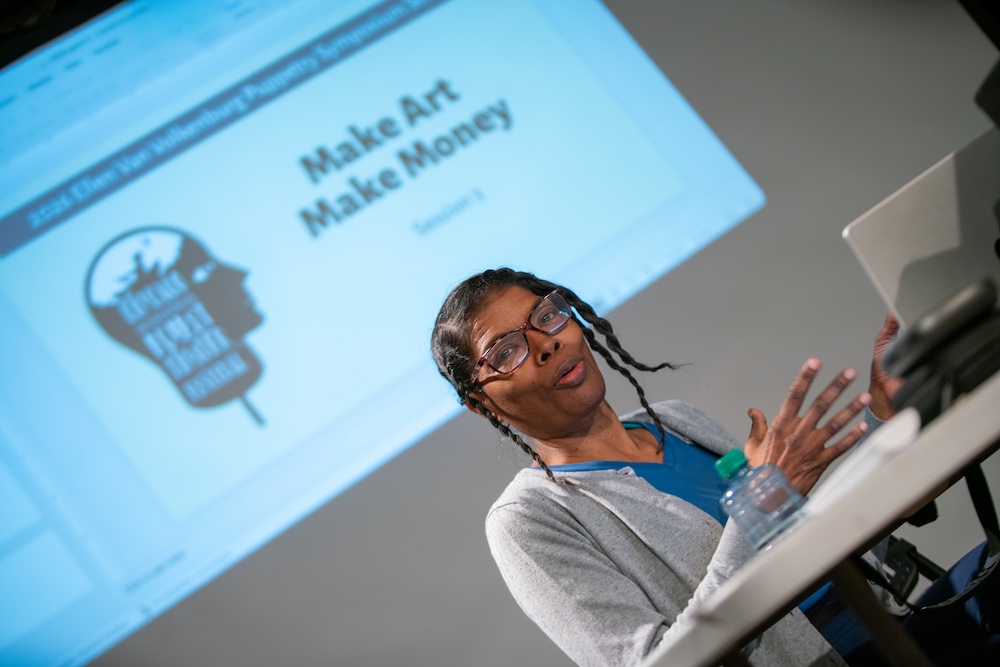
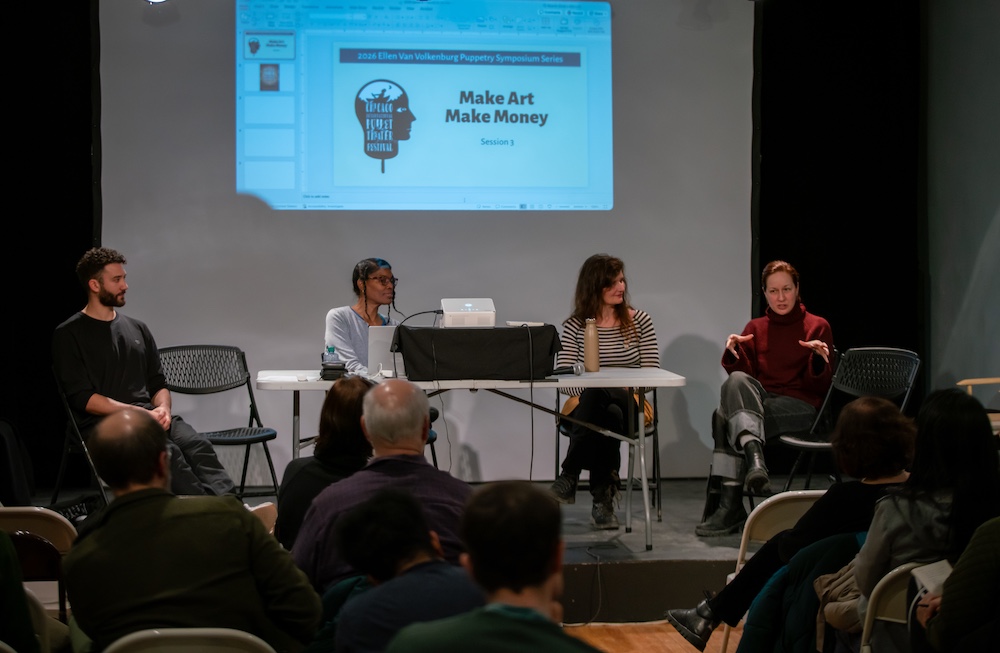
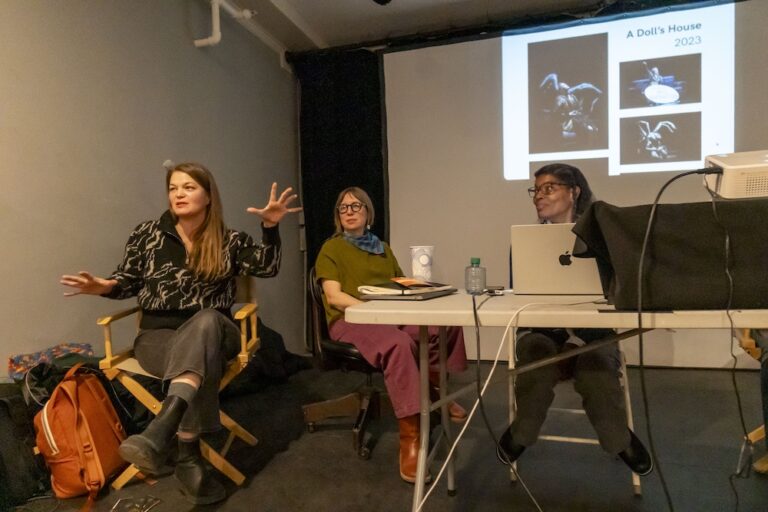
Session 3: Find a Good Reason to Sell Out
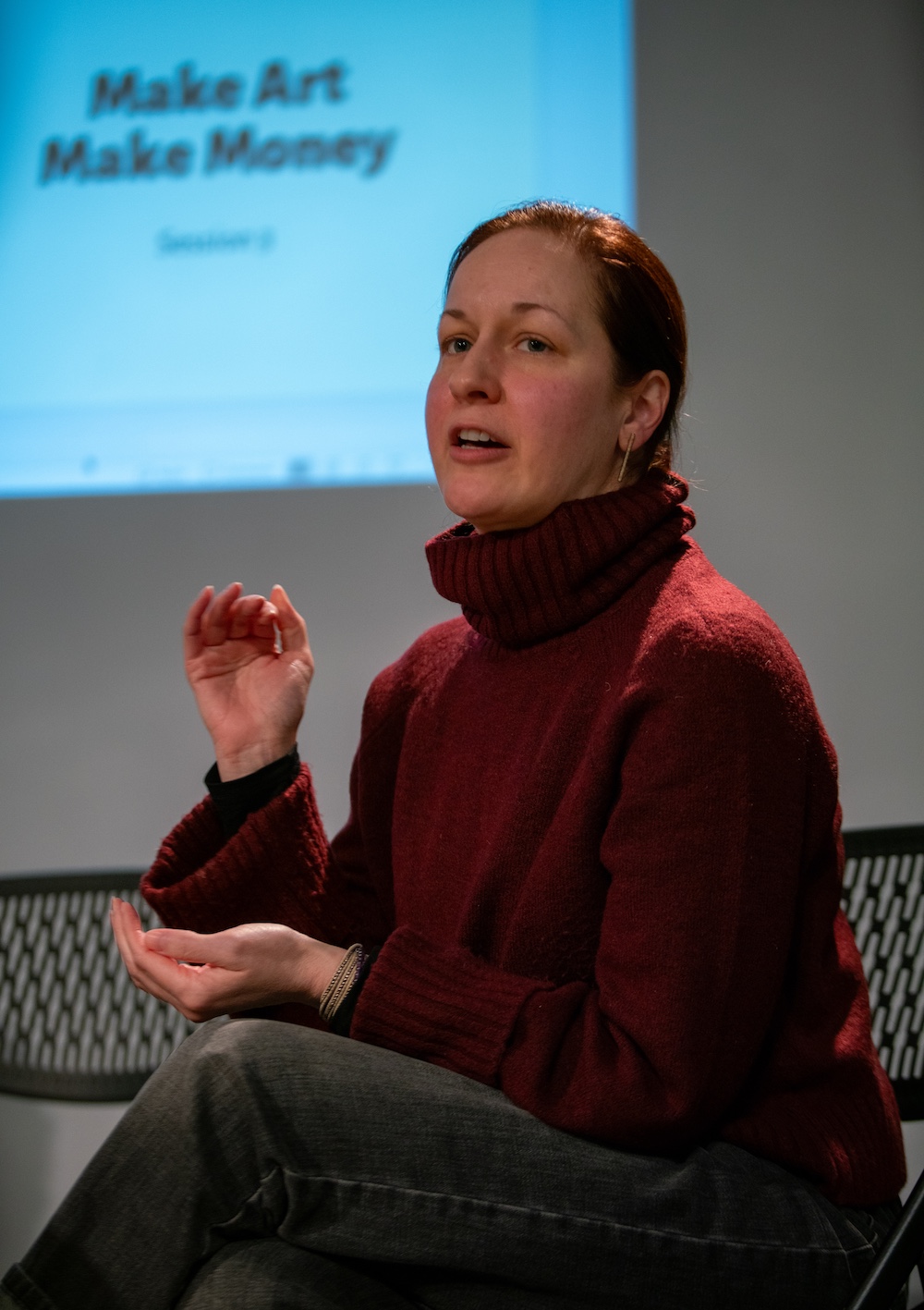
In the United States, commercial success is often treated as the measure of artistic success. Yet not all works speak to a broad general audience, and not all audiences have the economic capacity to support the art that is most meaningful to them. Children’s theater is particularly difficult to fund through ticket sales alone. Still Elizabeth Hyde Stevens has identified one artist who figured out how to balance the demands of commercial production with artistic innovation by finding a good reason to “sell out.” Her book, Make Art, Make Money traces the career of Jim Henson as a model of entrepreneurship that other creative professionals can follow. The artists on this panel will discuss commercial strategies they have pursued to support their art and consider what constitutes a good reason to “sell out.”
Moderator:
Paulette Richards
Panelists:
Toby Olié (The Enormous Crocodile)
Yngvild Aspeli (A Doll’s House)
Sofie Krog (The House)


Sunday, February 1, 2026
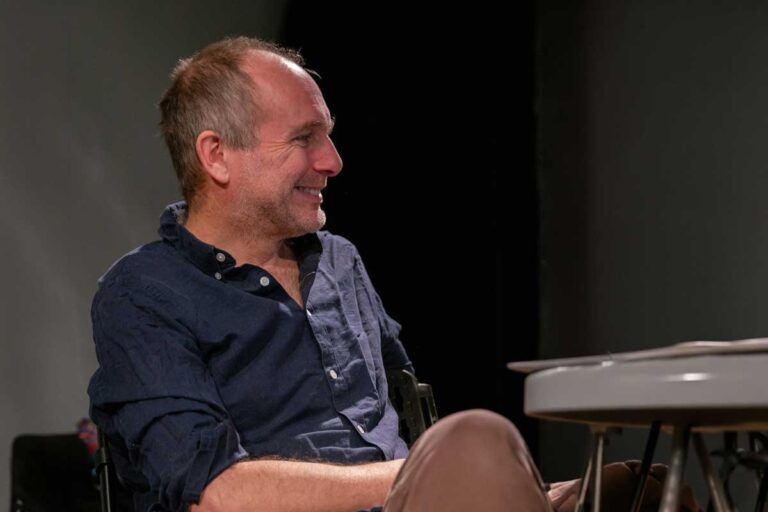
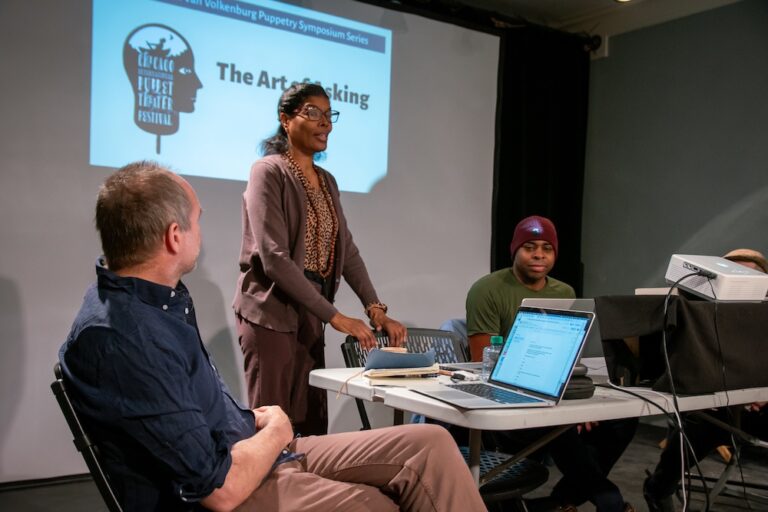
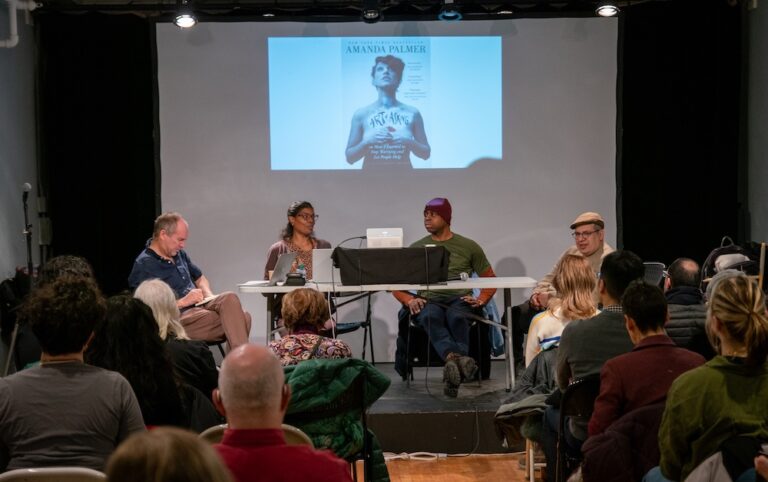
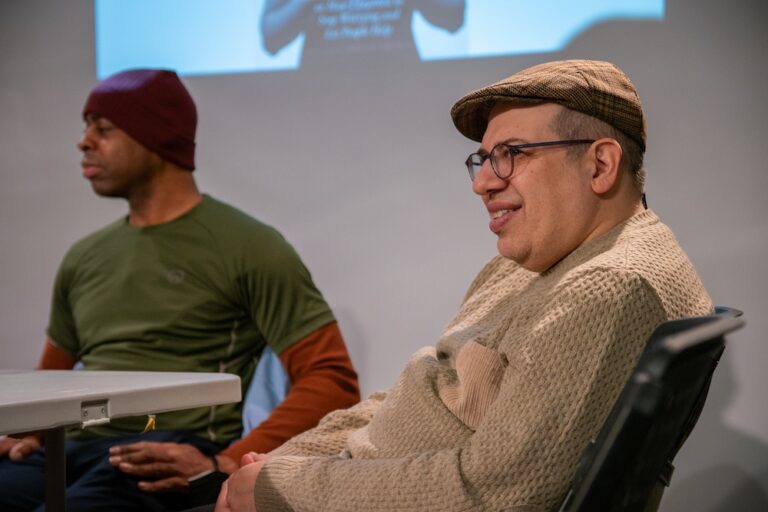
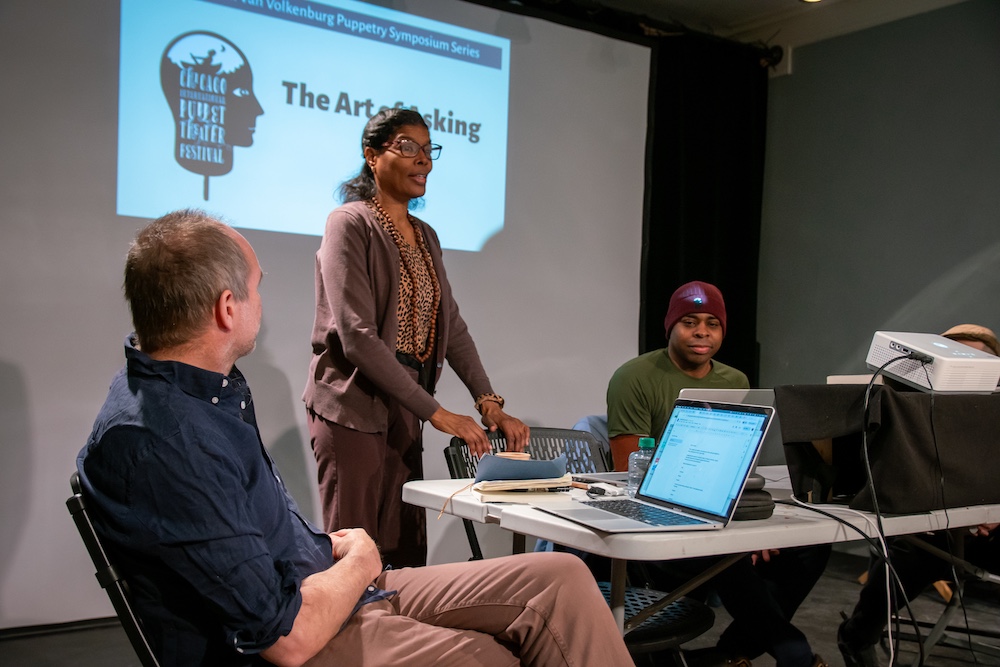
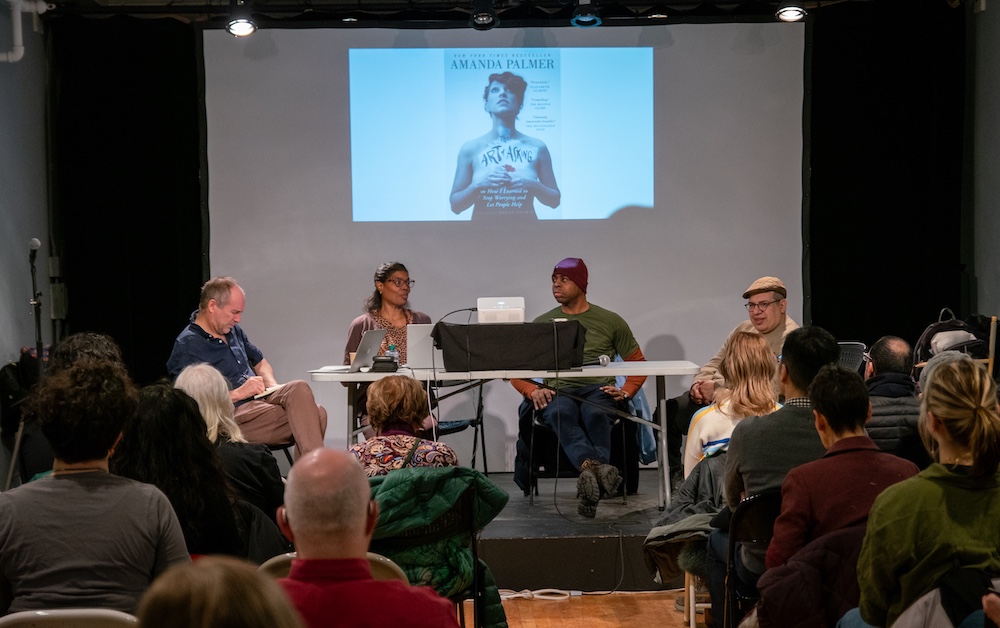
Session 4: The Art of Asking
Puppetry is a powerful community building activity that historically functioned within the gift economy in cultures all around the world. For example, Bamana masquerades in Mali were traditionally funded by dues, local businesses, and in-kind donations. More recently, artists like Amanda Palmer have refined The Art of Asking on digital crowdfunding platforms. Palmer received over $1 million from fans to crowdfund her album Theater is Evil in 2012 but faced criticism for bringing local musicians on stage during her tour and not paying them for performing despite the fact that she had been inviting locals to participate in this way for years. How can puppetry thrive and contribute to a gift economy that builds community equitably?
Moderator:
Paulette Richards
Panelists:
Mark Down (The Sex Lives of Puppets)
Edward Einhorn (The Left Hand of Darkness)
Jerrell L. Henderson
Book Talks
Monday, January 26, 5:30 p.m.
Making Meaning in Puppetry, Materials, Practice, Perception
Edited By Dassia N. Posner, Claudia Orenstein, Alissa Mello
Moderator Paulette Richards interviews Dassia Posner and Claudia Orenstein
Tuesday, January 27, 5:30 p.m.
Race, Gender, and Disability in Puppetry and Material Performance
Edited By Paulette Richards, Hazel Briar, Alissa Mello, Laura Purcell-Gates/Associate Editor Katherine Kipkiss
Moderator Claudia Orenstein interviews Paulette Richards
Wednesday, January 28, 5:30 p.m.
A Practical Guide to Puppetry
By Mark Down of Blind Summit
Moderator Ana Díaz Barriga interviews Author Mark Down